Medications & Your Kidneys
Drugs to use with caution, drugs that protect your kidneys, and a printable card to bring to every appointment.
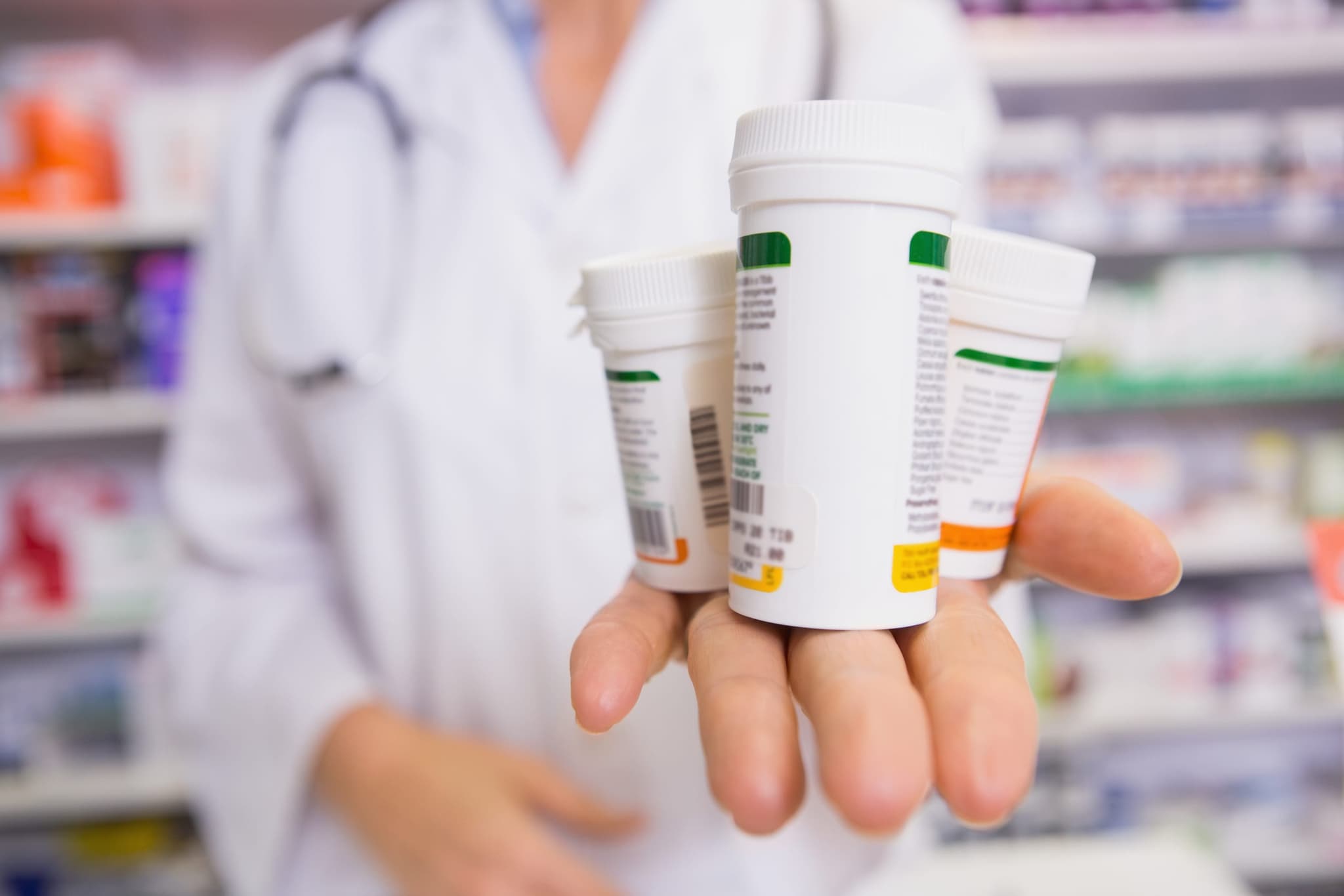
Why your kidneys change how medications work
Your kidneys clear a lot of what you put into your body. As kidney function declines, drugs can build up to levels that are toxic if the dose isn’t adjusted. Your kidneys also activate some medications (vitamin D is the classic example), so when the kidneys struggle, those medications need a different version.
Over-the-counter products and supplements count too. The most important single habit you can build:
The rest of this guide walks through what to avoid (or use carefully), what protects your kidneys, and how to make all of this easier in everyday life.
Medications to use with caution
Most relevant:All stages — caution rises with lower GFRNSAIDs constrict the small blood vessels that feed the kidney filters, which acutely drops GFR. They can cause acute kidney injury — especially when combined with dehydration or with ACE inhibitors/ARBs. Long-term use can also cause chronic kidney damage.
The “triple whammy”— NSAID plus ACE/ARB plus diuretic — has a notably high risk of acute kidney injury. If you’re on those, skip the NSAID.
Exceptions: low-dose aspirin (81 mg) for cardiovascular protection is generally considered safe.
Safer choices for pain:
- Acetaminophen at appropriate doses is usually the first-line option
- Topical lidocaine patches, capsaicin cream
- Non-medication options: heat, ice, physical therapy, stretching
- For more severe or persistent pain, talk with your care team
Medications that protect your kidneys
Most relevant:Often started early — varies by indicationThese reduce pressure inside the kidney filters (glomeruli), which decreases protein leakage into urine and slows CKD progression. They’re especially important when there’s albuminuria.
Common side effects: ACE inhibitors sometimes cause a dry cough (switching to an ARB usually fixes it); both can raise potassium and cause a small rise in creatinine when started.
Important:a small initial rise in creatinine (up to ~30%) after starting these is usually expected and protective. Don’t let an unfamiliar doctor stop them just because creatinine bumped up — call your nephrologist.
Your medication safety card
Fill this in once, print it, and bring it to every non-nephrology appointment. Photographing it on your phone works too. Nothing is saved or sent — this stays on your device.
Your one-page kidney card
Fill it in once, print it, and tuck a copy in your wallet or bag for non-kidney appointments. Nothing is saved or sent — this stays on your device.
Kidney Care Summary
Your name
- CKD stage
- —
- Most recent eGFR
- —
- Current medications (the important ones)
- —
- Allergies / sensitivities
- —
- Preferred pharmacy
- —
Please ask my nephrologist before prescribing or doing
- • NSAIDs (ibuprofen, naproxen, aspirin in high doses)
- • Phosphate-based bowel preps before procedures
- • Gadolinium contrast (especially at Stage 4 or 5)
- • Iodinated contrast dye without pre-hydration
- • Aminoglycoside antibiotics unless absolutely necessary
Confirm dose adjustments based on current eGFR. Hold ACE/ARB and metformin if acutely ill or dehydrated until reviewed.
Cross-reference: How to talk to your other doctors about your kidneys has scripts and situation-specific notes.
Questions to ask about any new medication
Whenever any clinician suggests a new prescription, ask these five before saying yes:
- Does this need a dose adjustment for my kidney function?
- Will it interact with any of my CKD medications?
- Is there a kidney-safer alternative that does the same thing?
- Do I need extra lab monitoring while I’m taking it?
- Is this cleared by the kidneys or by the liver?
Your pharmacist can answer most of these on the spot — pharmacists are trained to catch dose-by-kidney-function issues and are usually glad when patients ask.
Questions for your next visit
- Of the medications I’m taking now, are there any I should stop or change because of my kidneys?
- Should I be on an ACE inhibitor, an ARB, or an SGLT2 inhibitor?
- What pain reliever should I keep at home for everyday aches?
- Are any of my supplements something I should drop?
- If a doctor or dentist wants to prescribe something new, what should I tell them about my labs?
Related guides
This guide is for education only and doesn't replace advice from your care team.